Archive
January 2009
Friends, fun and flavorful Philly "Briesteak"!
A feast for the senses
Homepage: Snacking in the New Year…
December 2008
One year's end marks the beginning of another
Liqueurs, sweet wines & cheese: a tasty trio
Enjoy healthy snacks during the holidays
November 2008
Life's little pleasures give reason for thanks
'It’s easy to pair hard alcohol with cheese
Did Peter Piper know that a peck of pickled peppers
was packed with a plethora of positive probiotics?
October 2008
Reap the benefits of fall harvest foods
'Tis the season for…fall wine festivals
... and take a bite out of tooth decay
September 2008
Improvise for an impromptu barbecue
The inside scoop on cider & cheese
... and take a bite out of tooth decay
August 2008
Fresh... and refreshing!
Fruit, cheese and wine... 'berry' good!
The skinny on cheese
Jully 2008
Perfect for a picnic: Fig-Topped Brie
Pairing sparkling wine and cheese
Beyond calcium...the benefits of cheese
June 2008
Monthly BitesSummertime soirée
une 2008: Refreshing beer and cheese
Don't be afraid of cheese calories!
May 2008
Monthly Bites:...so get cookin'!
Pairing: A classic: bread and cheese
Eating the French way
April 2008
Monthly Bites:... for a job well done
Pairing: Cheese with Harbs!
Wellness:The Mediterranean Diet Pyramid:
March 2008
Monthly Bites: Let It Rain!
Sauvignon Blanc
Wellness:Hormone Free and delicious
February 2008
Monthly Bites:
Pairing: A Valentine's Day Indulgence...
Wellness:Good news about lactose...
January 2008
Monthly Bites:Score points with gourmet "Big Game" noshes made easy!
Pairing: An unusually delicious pair...
Wellness:A Healthy Snacking Resolution...
December 2007
Monthly Bites:Celebrate every little magical moment this season with Ile de France ®!
Pairing: Paring crispy apples & creamy Camembert
Wellness:3-a-day the delicious way!
November 2007
Monthly Bites: Celebrate he ordinary, really great day!
Pairing: Rich Brie & Creamy Port
Wellness:Lactose-intolerance foodies can enjoy gourmet cheese!
October 200
Monthly Bites: Celebrate the ordinary, really great day!
Pairing: Paring crispy apples & creamy Camembert
Wellness:Lactose-intolerance foodies can enjoy gourmet cheese!
September 2007
Monthly Bites: Searching for a surefire cure for the September blues...?
Pairing: Tangy tomatoes and rich, creamy Brie
Wellness: I don't like those dry, flavorless whole grain breads. How can I add more delicious fiber to my diet?
After the merry - and sometimes maddening - momentum of the holiday season, who doesn’t welcome the opportunity to relax with a few friends, some simple food and an agenda that revolves solely around the television? Fortunately, there’s no shortage of fun sporting events to choose from on TV these days, from football playoff and championship games to ice hockey and basketball.
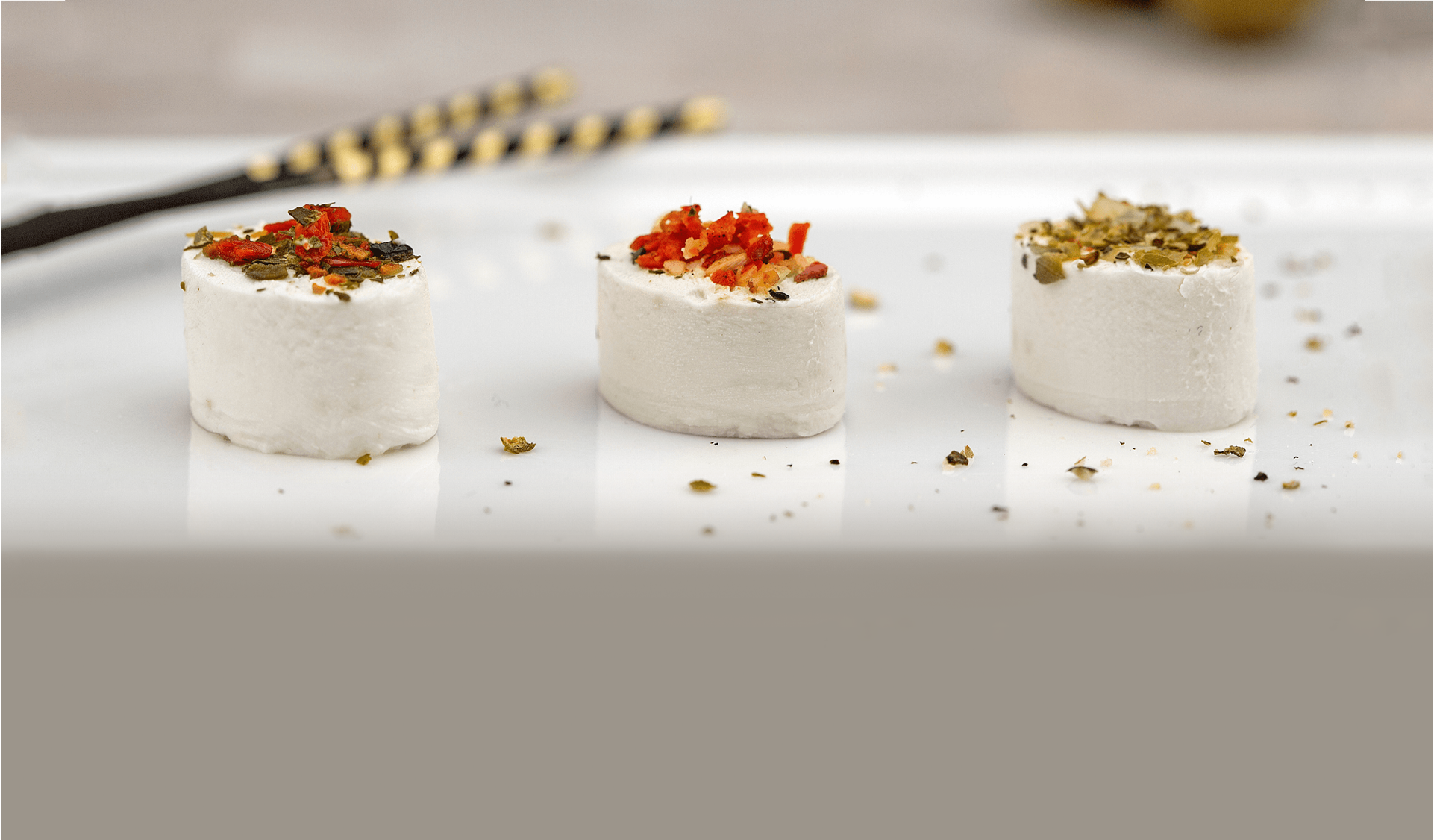
With Ile de France® cheeses in the lineup, you can celebrate in leisurely style with a gourmet-inspired menu that comes together effortlessly. Be sure to welcome guests with a quick, delicious appetizer they can chat over, like our five-minutes-to-fabulous
Chevres
Mini boules, served with sliced baguettes and some dried fruit and nuts. When halftime comes, serve a traditional sandwich with a luscious twist -
a
Philly style Brie-steak!
It’s party time, and whether the big game’s a heated rivalry between favorite teams, or just a reason to gather favorite friends together, the planning is easy!
During the winter months, the house is often filled with the hearty
aromas of the rich stews and soups cooking on the stove.
The soul-warming spirit of a bowl of soup becomes a luxurious comfort with
the addition of gourmet cheese. Clear soups need firm cheeses that add
great flavor but won't muddle the broth - try Gruyere, with its sharp
taste, or its saltier counterpart,
Comte. In the mood for a French
onion-style soup with some zing? Try broiling a firm-melting cheese like
Raclette atop your next bowl! Cream-based soups get deeper and more flavorful when made with
Emmental or other supple cheeses. Alternatively, try adding a fresh and crumbly
goat
cheese into your soup for a creamy, milky finish.
Discover a new perspective on these classic winter staples by adding
gourmet cheese - awaken your taste buds and surprise your senses!
… start nutritiously
It’s the start of a new year, and the perfect time to incorporate healthy lifestyle habits - like snacking between meals! Research shows that the right snack can stabilize blood sugar and metabolism between meals, prevent overindulging at mealtime and add needed nutrition. A rich, indulgent serving of
Ile de France® Goat
Cheese or
Brie with Fine Herbs, served on whole-grain baguette or crackers, fits the bill for nutrition and flavor!
The year 2008 has been one of many changes, of ups and downs. We saw the
stock market fall to near-record depths, a new presidential election, and saw the
triumph of determination in the Summer Olympics.
If we are to look back on the year and take away any lessons that can be applied
to the future, we should consider a few words of wisdom for the New Year:
- Value people over things
- Have a sense of fun and wonder
- Show gratitude
- Don't complain; work harder
- Focus on family
The holiday season is the perfect time for you to reconnect with your own family.
Mealtime is a great time to do so, and our
Ile de France Brie® and Leek Soup with Sherry is sure to be a family favorite. There's something comforting about a hot
bowl of soup, especially when you're surrounded by loved ones.
This year, take time from the office, from chores and really be with your family. It's
the best gift of all.
Cheese has long been paired with sweet fruits, so it makes sense that it also
pairs well with sweet wines and liqueurs. Before you pour yourself a glass,
pore over the suggested pairings below:
Mulled wine, a must during the cold season – with its rich taste of cinnamon
and cloves – is the perfect counterpart for tangy blue cheese or Roquefort.
Comte and St. Albray are other good choices.
The classic
port and cheese pairing is vintage port with blue-veined cow's milk
cheeses. Vintage port is also a good match for other full-flavored cheeses,
both hard and soft, like a mature cheddar or Pont L'Eveque. Late bottled
vintage ports also work well with soft, creamy cheeses such as Brie. Pair
Ten-Year-Old Tawny with hard, mild sheep's cheese. White port – a fortified
wine with a lot of body – goes well with Brie or a hard cheese such as
Gruyère. Ruby port works well with full-flavored goat's milk cheeses.
Medium
sherry goes well with rambol Gourmandise or a blue cheese. Sweet
sherry and blue cheese are a great match because the saltiness of the cheese
and sweetness of the sherry complement one another. Sherry makes for a
memorable pairing with milder blue cheeses such as blue Brie and
Gorgonzola dolce as well.
A
Tokaji wine from Hungary, with a floral and apricot flavor, is a good match
for Roquefort.
Grand Marnier and Anise-flavored Greek
ouzo are fine accompaniments for
goat cheeses.
Snacking seems unavoidable during the holiday season. So if you’re going to
snack, you might as well try to make healthy choices.
In fact, snacking is actually advisable during the holidays (that is, if you stick
to healthy snacks). Before you go to the office party or holiday open house,
fill up on a snack and you’ll be less likely to over-indulge at the party.
Snacking also minimizes the effects of alcohol on your system.
Here are some tips on how to help you survive holiday bingeing:
• Reach for a piece of fresh fruit instead of a piece of candy - it’s more
satisfying in the long run.
• Pair a piece of fresh fruit with cheese for added protein.
• Cheese and crackers are a good choice, as long as the crackers are whole
grain and low in fat.
• Grab a handful of nuts - they’re high in fiber and certain types, such as
almonds and brazil nuts, are filled with anti-oxidants.
If you’re entertaining, here are a few healthy serving suggestions:
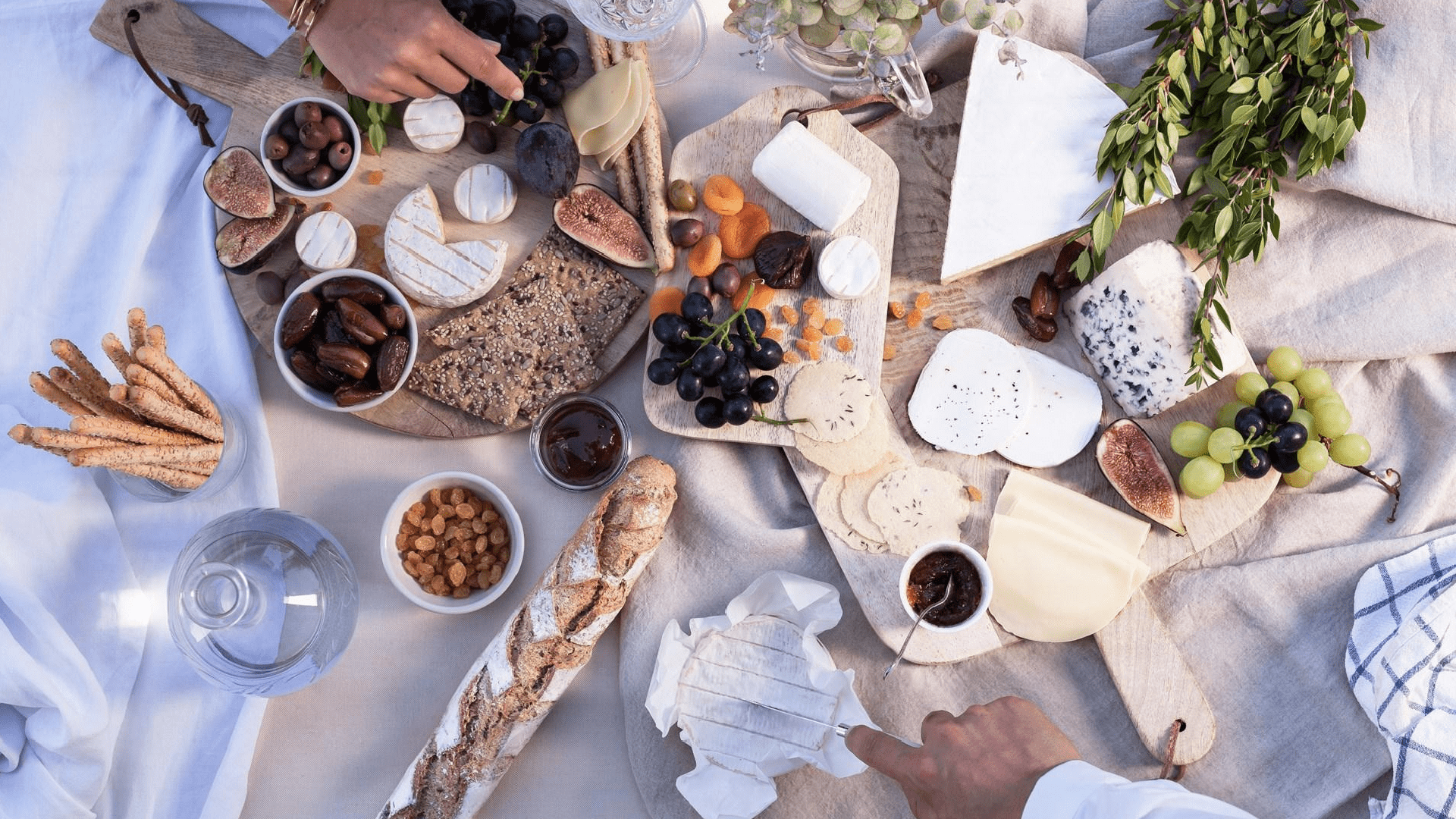
• Create a cheese platter with vegetables, fruits, honey and jams
• Pickled vegetables make a colorful,- and very healthy - presentation
• Thinly sliced onions are an excellent complement to blues or pungent
double/triple cream cheeses like St. Andre
• Serve a hearty bread with nuts and fruits, like a pecan-raisin loaf or
cranberry-walnut bread
• A selection of olives, roasted peppers and tomatoes is a good match for
fresh goat's cheeses
• Vitamin-packed strawberries add color and flavor to any platter
• Arrange apple slices with cinnamon and brie
• Serve fresh dates stuffed with goat cheese and walnuts
And remember, at holiday gatherings the focus should be on family and
friends.
What we’re most thankful for and how we express our thanks evolve
throughout the years. At age 5, we’re thankful for the shiny new bike with
training wheels. At 15, we’re thankful we passed that calculus exam. At 25,
we’re thankful for the promotion we got at work. At 35, we look at our children
with deep thanks and love. At 45, for our friends who helped us through a
rough time. At 55, for our family. At 65, for our grandchildren. At 75, for our
health. You get the idea.
Our emphasis of thankfulness also ebbs and flows throughout the months.
From Thanksgiving through the New Year, we tend to be more introspective
and grateful for all that life has offered us.
One way people like to thank others is by giving them a small token of
appreciation. This could be something as simple as a handwritten note (more
personal than an all-too-common email). Handmade gifts also are popular, as
they let the recipient know that he/she is worth expending a good amount of
energy, time and thought.
When it comes to homemade gifts, edible ones are always a hit. The saying is
“The way to a man’s heart is through his stomach.” But edible gifts – like our
Marinated Goat Cheese – appeal to anyone, any age. And this recipe is so
easy. Just put some goat cheese, olive oil and seasonings in a jar with a
tight-fitting lid, tie a ribbon around the jar, and voilà – instant gift.
So hold the door open for someone behind you. Let that car merge in front you.
And be sure to smile.
Bourbon, brand, rum, gin, tequila, whiskey - they’re all considered hard
alcohol (and all can lead to a doozy of a hangover if you over-imbibe). Hard
alcohol is liquor that has been distilled rather than fermented.
So what do you serve with hard alcohol? Cheese, of course! Here’s a guide to
which cheeses work best with which liquor:
Amber-hued whiskey - often referred to as the "water of life" - works well with
aged cheese. Comté’s assertive “bouquet” pairs well with whiskey’s woody
flavor with hints of hazelnuts. Johnnie Walker Blue can be served with harder
cheeses such as Mimolette and Manchego, aged Gouda or a softer variety
such as goat cheese.
A good, ripe Brie or saltier, aged cheddar balances the sweet oak notes of an
aged Glenlivet. Lighter whiskeys have accents of passion fruit, orange and
vanilla and also complement the creaminess and saltiness of Brie.
Livarot is a heavy, moist cheese, with almost spicy flavors. Combined with an
aged single malt whiskey, the cheese brings out the oak, nutty flavors of the
alcohol.
In general, sheep’s milk cheeses like Roquefort and Pecorino Romano tend to
pair better with bourbon and other American whiskeys. Gabietou, cheddar and
Roquefort are other cheeses to consider. Bleu cheese, Roquefort and cheddar
also go well with scotch.
Brandy, a distilled wine, is best served with a strong cheese, such as
Epoisse, Muenster, or L’Ami du Chambertin. Calvados, the famous apple
brandy, goes exceptionally well with Camembert and cheeses from its native
Normandy.
The spiciness of Monterey Jack is a good match for strong tequila. Rum also
brings out the flavor of a spicy cheese such as Livarot or Monterey Jack.
Gin and vodka pair well with sharp piquant blue cheeses. Try a Martini with a
Fourme d’Ambert.
Schnapps comes in many flavor varieties, such as apple, peach and pear. Brie
or fondue goes well with fruity schnapps, as the creamy texture complements
the strong alcohol.
So whatever your “poison” may be, you’ll enjoy it even more when it’s served
with a complementary cheese.
Pickled foods are not only tasty but, because they are fermented, are loaded
with probiotics and enzymes. Fermentation allows bacteria to "pre-digest"
and break down carbohydrates, proteins and fats to create "probiotics."
However, pickled foods are salty so those watching their sodium intake
should eat them in moderation.
Probiotics maintain a healthy digestive system by balancing the harmful and
beneficial bacteria in the digestive tract. A healthy gastro-intestinal tract is
critical to a strong immune system. These forms of bacteria also help to
prevent yeast over-growth and assist in the synthesis of vitamin K.
Old-fashioned pickling creates a salty, anaerobic environment that allows
naturally occurring bacteria to multiply. As the bacteria consume the sugar in
the food, lactic acid is produced. Eventually the pickled food becomes so
acidic that no other bacteria can live in it. Promotion of good bacteria keeps
the bad bacteria away. And, if you're wondering, the nutritional values of
pickled vegetables are similar to that of raw veggies.
Natural sources of friendly bacteria are: buttermilk, yogurt, cheese, kefir,
miso, sauerkraut and other pickled foods, and tempeh.
If you're not tickled by the idea of plain pickled foods, pairing them with
flavorful cheeses makes them not just palatable - but delicious. Here are a
few ideas for starters:
- Round out a cheese or salad plate with pickled veggies or walnuts
- Try pickled okra and pickled baby beets with goat cheese
- Pair pickled onions and blue cheese
- Serve spiced pickled pears with Gorgonzola
- Toss pickled beets, pears and blue cheese with spinach or watercress for a
sensational salad
- Top pickled vegetables - capers, olives, peppers (sweet or tangy) with
warm, melted Brie
- Fill a sandwich with pickled peppers and a softer cheese, such as
Camembert.
Don't let your digestive system get in a pickle - make pickled foods a regular
part of your diet.
Reap the benefits of fall harvest foods
For many, fall is a favorite time of the year. Not only does it bring bright new colors, the kickoff to another school year, and a new football season.
Fall also brings to the table a cornucopia of delicious fresh foods - corn, squash, nuts, beans, apples, pears and more. You’ll find plenty of fall festivals in your area, with activities ranging from pumpkin carving to bobbing for apples. But if you’d rather dunk apple slices in soft cheese, caramel or chocolate than dunk your head in a water-filled barrel of apples, you’re in luck. We’ve got ideas on how you can make the most out of the fall harvest – without ending up soaking wet.
Packing lunch for school or work? You can pack in a lot of flavor and texture with fall foods. Add chopped grapes, apples and/or nuts, and cheese in any shape to your salad for extra nutrition and crunch. If you have access to a microwave at school or work, heat up a serving of
Pumpkin
Soup for a quick pick-me-up. It also makes a great after-school snack.
Remember, football fans cannot live on beer alone. Tantalize their pigskin-loving palates with a
Polenta
Toasts with Brie and Sautéed Mushrooms appetizer. Use prepared polenta (it’s made from cornmeal, if they ask) as a shortcut – they’ll never know, and you’ll never tell. So sit back and cheer on your team while enjoying these savory, bites of autumn.
'Tis the season for…fall wine festivals
Fall is the time when leaves turn shades of gold and crimson…a season of new beginnings for wine lovers, who can celebrate their favorite drink with new wine releases and a variety of festivals and tastings across the country. The festivals celebrating the harvests started in early September, and stretch late into October and early November.
If you're not a connoisseur, wine tastings are a great way to learn more. And if you're already a wine lover, these events give you a chance to sample new varieties. Not into wine? No problem. Most festivals also feature entertainment, food and a myriad of other activities.
Although two-thirds of the wine made in the U.S. is from California, you can find wine festivals from coast to coast. Washington, Oregon and New York are the biggest wine producing states outside of California. There are even companies that specialize in wine tours. And if you want a little more action, try your hand -er, foot - at grape stomping.
Once you've learned a little more about wines, you'll want to know which wines to pair with which foods/ cheeses. The heavier foods of fall call for full-bodied wines:
Red Zinfandel
A deep red wine with bold fruity and spicy flavors, Zinfandel goes well with roasted turkey, cranberry sauce, pastas with tomato-based sauces, lamb, venison, eggplant, prime rib and stew. Pair with harder, saltier cheeses.
American Gewuztraminer
Gewurz is German for "spicy". This full-bodied white wine ranges from very dry and crisp to quite sweet. Its floral and citrus flavors pair with pumpkin pie, turkey with gravy and traditional trimmings, sweet potatoes, and caramel apples. Pair it with Emmental cheese.
Pinot Noir
Depending on age, this lighter red wine can have a hint of berries, plums and cherries or more earthy flavors of wild mushrooms. Pot roast, meat loaf, gumbo, squash and Brussels sprouts are ideal partners for this wine. Pair with your favorite goat cheese.
Fall wines should compliment the hearty dishes and many events of the season. You'll be sure to find the perfect wine for everything from Halloween treats to Thanksgiving dinner visiting your local festival.
CLA is a trans fatty acid that's good for you
Conjugated linoleic acid (CLA), both a cis and trans fatty acid, has been proven to be a beneficial, yet lacking staple in our diets. Fatty acids such as Omega 3s, Omega 6s and linoleic acid are the building blocks of all fats. Essential fatty acids like CLA are not produced by the human body, and therefore need to be consumed as part of a healthy diet. Foods with the highest naturally occurring levels of CLA are whole milk and whole milk dairy products, and beef, lamb, and goat.
In its natural form, found in nature, CLA does not have any known negative side effects. Once abundant in our diets, CLA intake has been on the decline. This is largely in part due to lesser consumption of meats and animal fats. Additionally, most animals today are fed more grain than grass, therefore reducing the CLA levels in meat and dairy products. Meat and milk products from animals fed exclusively on pasture can contain 3-5 times more CLA than grain fed animals. (New research shows that cows that graze at relatively high altitudes may produce the healthiest milk of all.)
In laboratory research on animals, CLA has been shown to fight some types of cancer. While human CLA research is in its infancy, it has largely focused on reducing body fat.
What cheese to choose?
With grass-fed cheese, you get a considerably higher concentration of every vitamin – as well as omega-3, fatty acids, beta-carotene and vitamin E – in every bite.
French cheeses are especially high in cancer-fighting CLA. According to a 1998 survey, CLA levels in French cheese ranged from 5.3 to 15.8 mg/g of fat. American cheese from conventional dairies has half this amount, with levels ranging from 2.9 to 7.1. The reason? American dairies typically raise their cows in confinement and feed them a grain-based diet. French dairies are more likely to raise their cows at pasture, resulting in naturally high levels of CLA
The cheese-making process itself can increase or decrease the amount of CLA. In a comprehensive survey, the highest amounts of CLA were found in soft cheeses aged approximately three months. Longer aging periods reduced this highly desirable fat.
So if you're wondering about the health benefits of CLA, it's A-OK.
Improvise for an impromptu barbecue
As summer comes to an end, we’re hesitant to give up some of the season's favorite pastimes, like the backyard barbecue. Let's face it, just because the dates on the calendar have changed doesn't mean the temperatures have dropped too much to enjoy a casual cookout.
That's the beauty of it - even if you're not a spur-of-the-moment kind of person, you can put together a barbecue in no time at all. For starters, you might want to serve
Stuffed Tomatoes Provençal, our featured recipe of the month. It's a quick, colorful crowd-pleaser.
Impromptu can mean eclectic. That is, depending on the number of people who drop by, you may find you don't have enough paper plates, plastic utensils, cups, whatever. Don't stress over it - you can mix and match what you've got. As long as the food is good, your guests won't care if the spread doesn't meet Martha Stewart's approval.
And if you serve our
Double
Brie Burger, you'll have one less thing to worry about. It's a simple recipe that results in a delicious gourmet burger. The Brie gives the burger a special zest without overwhelming it. Grilled onions and Portobello mushrooms make great add-ons. For something a little different, serve the burgers on Kaiser rolls instead of traditional hamburger buns.
What should you serve with these Brie-licious burgers? In keeping with the out-of-the-ordinary theme, you might want to opt for sweet potato fries instead of French fries. Or serve a broccoli slaw instead of cole slaw. You get the idea.
And when it's time for dessert, let everyone make their own. That's right, you can't go wrong with s'mores. This sweet, sticky treat is said to have originated in the 1920s with the Girl Scouts. There's a reason it's been a campfire favorite for so many years.
The inside scoop on cider & cheese
Cider is an alcoholic beverage produced by the natural fermentation of the blending of apple juices. In the U.S., where the term "cider" usually refers to the non-alcoholic variety, the phrase "hard cider" is used to denote the fermented version. Cider is most popular in the UK, but also France’s Brittany and Normandy regions, as well as Ireland and many other European areas. It is a versatile beverage that can complement cheese beautifully. It can be equally used for cooking, in salad dressing, fondues and marinades.
Types of cider:
- "Cidre doux" or soft cider
copper/amber in color, its aromas range from honey to candied fruits and vanilla; a soft taste with a fresh, light acidity
- "Cidre brut" or raw cider
pale gold in hue, its flavor is slightly spicy (think green pepper) with a soft licorice-like touch
- "Cidre demi-sec" or half-dry cider
light in color, this elegant cider has an earthy tone with a hint of honey and cinnamon
- Traditional cider
light yellow in color, its aromas range from spices to flowers with a strong yeast taste
- "Cidre bouché"
better-quality cider; can be "doux", "brut", "demi-sec" or traditional
Tips for pairing cheese and cider:
Flavor intensity is important to consider when pairing cheese with any beverage. Avoid lopsided choices (such as an acidic cheese with sweet cider) that will result in one flavor overwhelming the other.
- A drier, and more neutral, mineral-flavored cider can complement a variety of cheeses. Ciders with a stronger apple flavor are more difficult to pair with cheeses.
- Norman cider (produced in the Normandy region of France) goes great with soft ripened cheeses such as Brie, Camembert and Pont L’Eveque. The sweet tartness of the apples in the cider pairs well with the savoriness of the cheese.
- Choose a tarter, gently sparkling cider with a citrus-y texture and acidity for a triple-cream cheese. (Sweeter ciders would be too overwhelming.)
- Dry cider, with a lively acidity, goes nicely with goat cheese.
- A light-bodied, gently sparkling cider – with dry, smoky apple flavors, a hint of oak, and a touch of sweetness – is the choice for a rich bleu cheese.
... and take a bite out of tooth decay
Eating certain cheeses-including aged Cheddar, Swiss, Bleu, Comte, Brie and Gouda-immediately after or between meals has been shown to help prevent tooth decay. Calcium, phosphorus and other components in cheese may contribute to this beneficial effect.
Eating cheese coats the teeth with calcium that helps protect them against caries, or cavities. Eating just one cube of cheese can increase plaque-calcium concentration by up to 112%, helping to harden teeth and discourage softening which leads to cavities. It appears that cheese - whether cooked or uncooked - also prevents demineralization and, at the same time, encourages remineralization of teeth.
When food is eaten, the mouth's pH often drops - the mouth becomes more acidic.
Teeth are very sensitive to acid, and it appears that eating cheese helps maintain
a healthy pH level in the mouth. One study showed that the pH drop following
consumption of a 10% sugar solution was 4.26, but when the sugar solution was
eaten after cheese, the pH dropped to only 6.48.
What's more, the chewiness and taste of cheese stimulate the production of saliva,
which washes cavity-causing sugars from food. So enjoy recommend eating cheese
immediately after meals, or as a between-meal snack.
Fresh... and refreshing!
Green is IN (the environmental trend, that is, not the color). When it comes to herbs, fruits and vegetables, summer is the perfect time to go "green" and enjoy fresh-picked produce from a local farm stand or farmers' market.
With today's economy, it makes sense to buy produce when it's in season. You end up with the best quality product at the best prices.
So what's "in season" this summer? It may depend on where you live, but some of the popular finds include:
- Cherries (sweet or tart)
- Basil (perfect for pesto)
- Blueberries (a source of antioxidants)
- Mint (see our recipe suggestion below)
- Nectarines (yellow and white flesh)
- Parsley (toss a fresh tabbouleh salad)
- Peaches (clingstone, freestone, semi-freestone)
- Strawberries (known for their anti-inflammatory properties)
- Sugar snap peas (a great snack!)
- Tomatoes (on the vine, grape, cherry, etc.)
- Watermelon (picnic, ice-box, seedless, yellow flesh)
Our
Berry minted Brie recipe brings together farm-fresh produce and our creamy Brie for a mouth-watering combination. You may want to serve this as an hors d'oeuvre, in between courses, or as an after-dinner treat.
In many communities, a trip to the farmers' market is more than just a matter of running an errand to stock up on fruits and veggies for the week. It's a form of entertainment, and an educational one at that. In addition to fresh produce, you might find grass-fed beef products and other organically grown meats, delicious fresh-fruit pies and desserts, and more.
Some farmers' markets allow other local vendors to set up booths. That means you might also find everything from hand-woven materials to fresh-baked breads to plants and flowers,(including the edible kind).
Fruit, cheese and wine... 'berry' good!
Summer entertaining should be as simple as 1-2-3: Cut the fruit, slice the cheese and pour the wine.
The key to pairing
cheese, fruit and wine is in the balancing of fats, acid and
tastes. Summer pairings call for lighter, fresh
cheeses, such as Chèvre g
goat
cheese, Brie, or bleus and other aged
cheeses.
These summer-friendly
cheeses - often encased in a rind - bring out the natural sweetness of summer fruits
such as melons and peaches. And remember, you only need a thin slice of cheese
so as not to overwhelm the taste of the fruit. Wines should also be on the lighter
side, with such varieties as Chardonnay, Syrah or a fruity Garnacha from Spain.
Following are a few of our favorite fruit and cheese pairings:
- Try Bing cherries with goat
cheese and nuts. A goat cheese sorbet with berries or cherries is also a refreshing and unique dessert in the summer.
- Fruits and berries can easily be soaked, dunked or dipped in alcohol to further complement the flavors of cheese and to create a more decadent dessert. Simply choose a wine or spirit that would also complement the cheese.
- Dip strawberries in melted, low-fat Brie cheese (yes, you can call it cheese fondue). Or try them with bleu cheese or in a salad with goat
cheese.
- Blueberries - a great source of antioxidants - are excellent with goat
cheese.
- Try blackberries, raspberries or boysenberries with Brie or Camembert and a few basil or mint leaves.
Cranberries not only combat urinary tract infections, but they also are a natural probiotic, supporting healthy bacteria that grow in the gastrointestinal tract and aiding in digestion. Serve them in salads with goat cheese.
This summer, shake your head when it comes to the traditional ice cream cone. Then shake it up with your own unique pairings of fruit and
cheese.
The skinny on cheese
When enjoyed in moderation, cheese is a wholesome addition to a healthy
diet. It naturally contains milk fat, which does not raise cholesterol
levels. With the exception of double and triple cream cheese varieties,
which contain added cream, no fat is added to cheese.
Fats have different functions, acting as fuel to satisfy the body's energy needs. They also transport lipo-soluble vitamins A, D, E and K in the body. Vitamins A and D are found in dairy products. Vitamin A, which is predominant in cheese, is essential for cell growth, vision and the immune system. About 80 to 85% of the Vitamin A present in milk is passed on to cheese. Ripening results in little, if any, change in a cheese's vitamin A content. Cheese also contains a large amount of other essential nutrients such as phosphorous, zinc, riboflavin and vitamin B12.
The vitamin content of specific cheeses varies widely as a result of the vitamins in the milk used, the manufacture of cheese, the cultures or microorganisms used, and the conditions and length of the curing period. As most of the fat in milk is retained in the curd, cheese contains the fat-soluble vitamins of the milk used in cheese-making.
The water-soluble vitamins in cheeses vary widely. Thiamin, riboflavin, niacin, vitamin B6, pantothenic acid, biotin, and folate remain in the whey. The more whey retained in the cheese, the greater the content of these water-soluble vitamins in the cheese. The bacterial surface-ripened and mold-ripened cheeses may contain a higher concentration of the B-complex vitamins than the hard and semi-hard types of cheese. Some mold-ripened cheeses contain more of the B vitamins than other types of cheeses.
In short, you shouldn't feel guilty about indulging in cheese – you’re actually doing your body a favor.
Perfect for a picnic: Fig-Topped Brie
In the idyllic world of poet Omar Khayyam, "A loaf of bread, a jug of wine, and thou" would
be the makings of a perfect picnic. In the summertime, however, you have to
factor in hamburger buns and hot dog rolls, bottles of beer and rowdy children.
But it all adds up to good old-fashioned fun. A picnic can be as simple – or as elegant – as you want to make it. That depends on your personal style.
If you’re the laid-back type, a picnic means throwing a blanket in the trunk
of your car, a few sandwiches, munchies and cans of sodas in the cooler, and
your cares to the wind. Be sure to throw in (literally) a Frisbee®, football
or volleyball. You’ll also want to bring a boom box and crank up the Buffet tunes.
And bug spray.
If you’re more of a perfectionist (OK, some may call you a snob), a picnic isn’t complete without folding chairs, the traditional wicker basket, coordinating paper and plastic goods (or even linens, china, crystal and silver), caviar, tea sandwiches and more. And when it comes to leisure activities, a croquet set is a must. Load up your portable MP3 player with classical music. And bring the bug spray.
The element of surprise will always win over your family and friends. So be a
little unconventional and "think out of the picnic basket," so to speak. If your
guests are expecting the same-old hamburgers and hot dogs, mix it up with turkey,
salmon or veggie burgers. If they’re expecting a vintage wine, offer a selection
of fine imported beers.
Whatever your style, you and your guests are certain to enjoy Fig-Topped Ile
de France® Brie. You’ll love the recipe because it’s so easy to make. Your
friends and family will love it because it’s different – and delicious. Served
on crackers, this recipe makes a great appetizer or an after-dinner treat.
Oh, and if you forget the bug spray, you can always play a game of connect-the-dots with the mosquito bites on your extremities later in the evening.
Pairing sparkling wine and cheese
Caviar often is the first thing that comes to mind when you're deciding what to serve with champagne, besides the obligatory strawberries. Beyond that, however, cheese is a wonderful complement to champagne. Cheese and champagne are like two distinct personalities coming together. On the one hand, you've got the bubbly, effervescent champagne. On the other, there's a mellow, perhaps aged cheese. It's great chemistry.
Champagne is a sparkling wine produced in the Champagne region of France. In Spain, sparkling wine is called Cava; in Italy it's known as Prosecco, Asti or Spumante in Italy; and in Germany it's Sekt. Whatever you call it, sparkling wine is a refreshing change of pace to more traditional wines. The effervescence of Champagne is what makes it the perfect partner for cheese. Its bubbles help break down cheese's acids and butterfat. Champagne is particularly good at breaking down some of the denser, more aged, mountain cow's milk cheeses. In addition, the less “Brut” the Champagne or sparkling wine, the more likely it will balance the relative saltiness of the cheese.
Following is a quick run-down of the types of sparkling wine and suggested cheese pairings:
Brut:
Brut is the driest champagne. Ironically, extra dry is not as dry as Brut. Chevre is a good choice.
Extra dry:
This champagne has a touch of fruity sweetness, finishing on a dry note. It lands in the middle of the spectrum. You’re safe with a Camembert.
Demi-sec:
The perfect dessert bubbly, demi-sec should not be paired with food that is sweeter, as it will come off harsh and dry. Go with tangy bleu or Roquefort cheese.
Blanc de Blanc:
This bubbly is made from 100% Chardonnay, which lends a toasty, nutty, rich quality. A mild cheese, such as Boursault, is a good pick.
Blanc de Noir:
This champagne is made from mostly Pinot Noir, giving it a refreshing, citrus quality. Brie is a good bet for this bubbly.
So the next time you pop the cork on a bottle of bubbly, bring out the gourmet cheese. In no time, you’ll be toasting the delicious duo.
Beyond calcium...the benefits of cheese
Your mother probably always told you to drink your milk. She knew that milk is rich in calcium, a key mineral contributing to the growth and strength of bones and teeth and overall growth and development of young people in particular.
But did Mom tell you to eat your
cheese,
an even better source of calcium?
Cheese can
help you maintain good bone density and prevent osteoporosis. Adults need calcium
to keep their heart, their muscles and their nervous system healthy. Calcium
also plays a role in many other vital physiological activities, including blood
clotting, nerve conduction, muscle contraction, and blood pressure regulation.
Calcium also has been linked to prevention of colon cancer, migraines and PMS.
Although calcium is the body's most abundant mineral, our body does not produce enough of it on its own.
Firm
cheeses contain more calcium than soft
cheeses. On average, a 1-ounce serving of natural mild cheddar
cheese has 20% of the adult daily recommended nutritional intake of calcium. The calcium content of
cheese depends on the variety and upon the manufacturing process.
But
cheese offers many other health benefits as well:
Phosphorus:
cheese is an excellent source of phosphorous. One portion (30g) of regular cheddar
cheese provides 28% of the recommended daily requirement for an adult aged 19-50. Like calcium, phosphorous promotes healthy bones and teeth as well as aids in energy production and normal tissue growth.
Protein:
In addition to calcium,
cheese is a great source of high-quality protein. Casein is the main protein in
cheese, and both the method of coagulation of milk and the degree of ripening influence the protein in
cheese. Dairy protein has recently been touted for its ability to control weight. Studies also suggest that dairy protein can reduce blood pressure and protect the body against toxins, bacteria and viruses.
Other nutrients:
cheese is also abundant in essential nutrients like riboflavin and vitamin B12 needed for energy production, vitamin A and zinc to maintain a healthy immune system.
cheese is a natural source of CLA (conjugated linoleic acid), a healthy fat that has been shown to fight obesity, cancer, and diabetes in lab animals. Human studies are under way.
So now you can do a role reversal and tell Mom to eat her
cheese!
Summertime soirée
The summer solstice officially kicks off summer. Be prepared for some lazy summer days: put away your Blackberry, turn off your laptop. As the temperature rises, you’re ready to chill.
This is the perfect time to get together with friends and family. We’re not talking fancy, sit-down dinners or mailed invitations. We’re talking about phoning a few close friends or relatives, and seeing if they want to stop by. We’re talking paper plates and napkins. (And if you’re really into green living, go ahead and wash the cups and utensils afterward for re-use.)
Light several citronella candles to keep the mosquitoes away – and to add a touch of natural ambience to your gathering. Set the mood with some smooth jazz or summertime blues.
Whatever you do, keep it simple. Simple is good.
So whip up some “frozen concoction” in the blender, and a quick meal. Toss some steaks or seafood on the grill, a loaf of French bread in the oven, and a handful of ingredients in a bowl for our
Crunchy Apple Slaw with Walnuts and Ile de France Brie.
You might never think to mix sweet apples and raisins with tart cabbage and red onions. (Sort of like mixing your crazy Uncle Bob with your favorite co-workers on your informal guest list.) But it’s a winning combination. And the
creamy Brie is the perfect counterpart to the spicy walnuts that top it all off.
A word of warning, however, about our mouth-watering slaw: It’s so good that you might find uninvited guests on your doorstep next weekend. If so, we havea solution for you in just two words: Gone fishin’.
Don't be afraid of cheese calories!
Cheese has
received a bad rap over the years, but that doesn't mean you need to keep it
off your plate. Its high nutritional value and vitamin content make it an important
part of a healthy diet.
According to the American Dietetic Association, one ounce of
cheese (roughly the size of four dice) is considered one serving and provides 200 - 300 mg of calcium. On average,
cheese contains about 100 calories and 8 or 9 grams of fat per ounce. As with many milk-based products, cheese provides a good source of protein and vitamins.
You might be surprised to know that harder, longer-aged
cheeses have a higher fat content than creamy, rich
cheeses. Fat in
cheese is measured in parts per dry matter. That means one ounce of an aged
cheese, like Gruyere will have more fat than an ounce of a triple creme, since soft
cheeses like
Brie or
St Andre contain more water.
It is important, however, to pay attention to the type and amount of
cheese you
eat.
Cheese can
be a very healthy addition to your diet when you follow a few simple guidelines.
Moderation is the key, along with choosing high quality products. Take an intense
flavor, like Bleu d'Auvergne, or
Comte, and you need only a small portion to
enhance any recipe. So enjoy, and "Say cheese"!
June 2008: Refreshing beer and cheese
If you were to ask a self-proclaimed foodie what to
serve with fine
cheese,
fine wine would most likely be the answer. And if you
were to argue that beer might give wine a run for its
money, the foodie might turn pale at the thought of
pale ale with precious brie.
But, any way you slice it, beer and
cheese are
natural complements to each other. The flavors of beer and
cheese -
earthy, musty, rich, toasty - go together in a way that, in many cases, wine
and
cheese just
can’t match. As with any pairing, of course, be sure that one flavor doesn’t
overpower the other.
So where do you start if you want to serve up steins of beer with slivers of
cheese?
Start with some common sense. A beer that is lighter in body and flavor (such
as pilsner or wheat beer) would go well with a mild, mellow
cheese;
and conversely, a dark, rich ale would hold its own alongside a heavier, more
pungent cheese. But a strong beer paired with an intense
cheese also
can overwhelm the palate. So choose your
cheese carefully.
Here are a few hints for those who want to serve
cheese and
brews side by side: Young, fresh
cheeses (like
our award-winning goat cheese) are best with light beers and wheat beers. Try
a Belgian "Wittekerke" or a German or US "Weizen". Blue vein,
marbled
cheese,
strong flavored including Bleu d’Auvergne pairs well with two groups. Stronger
porters, Imperial stouts, and heavier dark beers, such as "Sierra Nevada
Bigfoot" or "Brooklyn Monster" are an excellent choice. The other
possibility is sweet beers: cherry "Kriek" or any of the Belgian triples
that are high in alcohol content but have a bright fruity crispness. "Chimay
triple" does well with high-fat, mild-flavored
cheeses,
as well as "La Bècasse" or "Mort Subite".
Soft, spreadable
cheeses,
such as
Camembert or
Brie,
go well with Euro-lagers, pilsners, pale ales, porters and American fruit ales.
A Belgian Pilsner like "Stella Artois", an American IPA "HopDevil" or
a West Coast IPA like "Green flash". Semi-hard
cheeses,
such as Emmental and Gruyere go well with extra special bitter beers like double
IPAs like "Dreadnaught IPA", doppelbock (double bocks), and strong
ales.
Hard
cheeses,
such as
Comte,
pair well with strong ale or doppelbock, stout or porter, such as the English: "Samuel
Smith's" or "The Famous Taddy Porter".
So enjoy your brews and
cheese.
...so get cookin'!
You tiptoe out of the bedroom so as not to awake the slumbering little one. You glance with disbelief at the clock-can it be?-bedtime has arrived early tonight??!!
With nary a trace of parental guilt, you smile as you clean up the leftover finger food from the early-bird dinner. No kiddie food for us tonight, you think to yourself. You're ready for some grown-up fare...and some quality time together.
If you can't remember the last time you had an interrupted evening with your significant other, you're long overdue. So forget about the bills that need to be paid, the laundry that needs to be done, the carpools and play dates that need to be arranged.
You don't want to spend the rest of your evening in the kitchen. That means you want a recipe that's quick to make. Like
Brie
Omelet with Mushrooms and Spinach. The addition of Crimini mushrooms and Brie transforms this mundane dish into a grown up and entertaining delight. The omelet will be ready in about the time it takes to read Goodnight Moon. And, with the kids asleep, you don't have to deal with the shaking head that's a given when you serve something that you actually enjoy eating.
Go ahead and bring out the good china for your intimate dinner party. After all, you don't have to worry about little hands creating big havoc with your table setting.
Without the evening whine, you'll want to open up a bottle of wine. A light-bodied red wine goes well with this dish. You'll also want some toasty bread, to rescue the delicious drops of Brie that escape from your omelet.
And please don't forget to turn off the cell phones.
A classic: bread and cheese
Man does not live by bread alone… of course, there must be
cheese!
Raisin bread, nut bread, sunflower seed loaf, sourdough bread or French baguette,
bread with herbs or olives – any kind of bread goes well with
cheese,
as long as its taste does not overwhelm that of the
cheese.
Select bread not only according to taste, but to texture as well. Thick-crusted and densely crumbed rustic breads work well with both hard and soft
cheeses.
A crisp, salted cracker with a soft
cheese like Brie provides an interesting contrast in texture. Brie also goes well with pain de campagne, "country bread," which is a large round loaf similar to sourdough.
Nut bread is the perfect complement to a double-cream
cheese such
as a Boursault, rye is a good choice for pressed
cheeses,
and dark rye goes well with
goat
cheese.
Ile de France
goat
cheese is best served with a somewhat sweet bread, such as gingerbread, or a toasted bread like brioche. Brioche, a type of French bread - with its rich, sweet flavor and flaky texture - is more like a pastry than a bread. And if you're enjoying your
goat
cheese in a salad, walnut bread is the way to go. Not a fan of sweet breads? A fresh baguette is always a prefect choice- simple, yet savory and smooth.
Whichever bread you choose, make sure it's fresh. You might want to heat the bread as well, so the
cheese melts a bit, which magnifies its taste.
Eating the French way
Ooh-la-la. The French - and French women in particular - somehow manage to indulge
in wine, bread, cheese and rich food... without increasing their waistlines.
Mireille Guiliano writes about this phenomenon in her bestseller, French Women
Don't Get Fat.
So what's their secret? First, they savor their food. Each meal is a leisurely event, marked by good food and good conversation. In America, there's a double meaning to the term "fast food." We're constantly on the run, and we're barely aware of the food we're putting in our mouths - and our bodies. In fact, author Brian Wansink, Ph.D., calls this "mindless eating" and has devoted an entire book to the topic: Mindless Eating: Why We Eat More Than We Think.
Another secret of the French is portion control. On this side of the Atlantic, we super-size everything. The documentary "Super Size Me" is a perfect example of Americans' obsession with large portions. Even McDonald's in Paris serves smaller portions, with the same menu items containing fewer calories-for instance, there are fewer fries in a serving and fewer ounces in a large soda.
The French, au contraire, are more concerned with quality than quantity. Author
Guiliano explains how a small portion of a fine cheese or a single piece of gourmet
chocolate is more satisfying than a large helping of lesser-quality cheese or chocolate.
The bottom line? When in America, do as the French do.
... for a job well done!
Spring is slow to arrive this year. But with each passing day, the sun
lasts longer, and the birds chirp louder. Until finally, it is time to move the coats
and boots, throw open the windows, and make room for the warmer season.
Contemplating the culinary choices for your annual cleaning ritual, you
decide that the afternoon meal should match the mood of the new season.
The heaviness of winter foods, much like the clothing, must be banned for the
next six months. The dawn of spring is an occasion for wine and cheese -
not a day for creamy sauces and starches.
Herbed
Chicken Papillottes with Brie is your choice of the day. It’s fairly simple,
and doesn’t come with a big mess. The star of this dish is the creamy Ile de
France® Brie - it melts and oozes inside the plump chicken breasts, creating a
fresh medley of flavors with the mild herbs and spices. The Brie is much easier
to use when refrigerated, as it slows down the melting process.
With spring time the joy of the farmer’s market returns. Luckily, you stopped at
yours this morning, so the seasoning is fresh and handy: finely chop some
oregano, thyme and marjoram, and add crushed garlic. (Of course some
Provencal type seasoning form your pantry will do the trick as well.)
Eagerly anticipating the upcoming feast, you invite a few friends over for
dinner and then tackle your closets. Time flies by as winter clothing migrates
into boxes, and a few hours later, the smell of mushrooms and
garlic fills the air. Your mouth waters in anticipation of the smooth,
buttery brie and crimini mushrooms.
Your guests arrive as you complete the final spring touches and happily
Share the culinary reward you have prepared for yourself.
Cheese with Harbs!
A multitude of herbs have been known to mankind from the beginning,
and are used for their medicinal benefits or as culinary delights. Although
the vitamins herbs provide may be minute, it is the taste, and mood they
give foods that makes them so valuable.
The choices are limitless - herbs are available throughout the year: whole,
chopped or ground, fresh, dried, or frozen. Their perfume and taste comes
from the volatile oils. Some of the most common and essential culinary
herbs are Provencal: basil, oregano, bay leaves, tarragon, parsley, sage,
rosemary, and thyme - just like in the ballad Scarborough Fair.
When it comes to cheese, feel free to experiment. Herbs can serve as a
garnish, a vibrant color on the platter, seasoning in a cheese spread, or
infused aromas when cooking and baking. Using herbs can add that extra
zest and sparkling flavor to any mundane recipe. Soft cheeses and herbs
go wonderfully together to make spreads, dips, or appetizers, like our
Italian Goat Cheese recipe. It is also excellent to mix young leaves of
chervil and chives with Goat cheese to enhance the tangy flavors. Use 1
or 2 tsp. per 1/4 pound of cheese. Oregano and basil are a perfect
complement to Goat cheese as well: while oregano leans towards the
savory and peppery side, basil is more on the sweet side. Try the
Vine-Ripened
Summer Tomato and Basil Soup with Goat Cheese.
Fresh sage leaves, rosemary, or chives are also delicious when minced
and added to creamy Brie. Use 1 tsp. per 1/4 pound. Also, consider
Ham Pinwheels with Brie, Herbs, and Nuts, for a simple hors d’oeuvre.
Hard cheeses are very flavorful on their own, so you’ll want to be delicate
when pairing them with herbs. Thyme and sage are a good choice to
complement the spicy aromas of Comte Charles Arnaud cheese. Thyme,
sage, and marjoram would lighten the most hearty dish or gratin as well.
As spring arrives, the farmer’s markets become the best “hunting place”
for fresh herbs; so take advantage, and enjoy.
The Mediterranean Diet Pyramid:
Medical studies conducted as far back as the 1940's have shown that the
cultures surrounding the Mediterranean Sea have
lower rates of heart
disease, cancer, and diabetes, along with a higher
life expectancy than
other Western cultures. The key dietary habits
of this region, known as the
Mediterranean Diet, are now also common throughout
the Middle East
and Europe, and are based on the principles of
balance and satisfaction,
not deprivation. This style of eating includes
minimal meat and plenty of
olive oil and garlic, and consists mostly of grains,
fruits, beans, and vegetables.
Cheeses and yogurts are also daily essentials of
this healthy diet.
Ile de France offers a full selection of the Goat
and Brie cheeses that are
popular in the Mediterranean region, so don't forget
to include us into your
daily "pyramid".
Let it rain!
Looking out the window today I saw this wet, grey sky. We decided to stay home.
Why go outside on a day like today, that funny between-seasons time when the
weather makes no sense. Is it winter still, or spring finally? I do love these cozy
days when we don't even leave the house, an afternoon that slips by in movies,
meals and lots of lazing around together.
On quiet indoor days it's especially satisfying to prepare treats made with my
favorite Brie. That first slice into a wheel of Brie always makes me think of cutting
my birthday cake as a kid, with the crazy creamy taste of the cheese inside. It's a
sophisticated snack, sure; I even love the soft white rind, which is entirely edible.
But Brie is a cheese I could eat every day of the week, rain or shine.
With a complex but accessible taste, many people detect notes of mushroom,
hazelnut or fruit among the pronounced buttery richness. Though perfect for a
party (a wheel of brie is the very definition of crowd-pleaser), it's equally perfect
for more mellow days at home.
This afternoon, I could set out a plate of cheese and charcuterie with some
sliced pear and toasted bread, maybe some nuts and honey, too. Instead, I think
I'll make it all into a
Brie, Ham and Pear Sandwich, grilled and pressed so it's
warm and gooey, salty and sweet. On a cheese board, Brie should usually be
served at room temperature, but warm it up and see how beautifully it oozes and
melds with other flavors.
Pressed down into a hot pan, the brie and ham get deliciously melty, offset by
the cool crisp of the tangy pear. It's the laziest of Sundays as I carry my warm
sandwiches to the couch (it’s about the most effort I’m planning to put forth
today). Open the bottle of French Chardonnay, would you? And let’s settle in for
the next film.
A Valentine's Day Indulgence...
Pairing is always a question of balance. There is a certain harmony to be established between the flavors of your dish. In this month’s featured
recipe,
Dilled Salmon Papillotte with Goat Cheese, the rich tone is created
by the fresh, grassy taste of the dill, the savory salmon, and the tangy goat cheese; it is further enhanced by the appropriate wine.
Your wine choice should have a sophisticated flavor without breaking this fragile balance. Therefore, any strong or rich red wines are
excluded. The delicacy of a fruity wine will lead to a better complementing. Of course, a white wine with crisp and dry tones will
make more sense, considering the salmon is steamed in papillotte. The best match, without a doubt, is a Sauvignon blanc.
Sauvignon Blanc are produced in the Loire Valley of France, but excellent Sauvigons are made in California, New Zealand, and South
Africa. If you're planning on having a French Sauvignon, we suggest a Pouilly Fume 2005 or 2003. Another recommended French pick would be the Sancerre, which is more affordable. Of course, Napa Valley wines are also perfect choices.
Hormone Free and delicious
Savvy
Americans are more concerned than ever before
about artificial ingredients and unnatural processes
used to make the foods we eat. Good news: Ile
de France®
cheeses are
naturally delicious! Strict French regulations
require us to use only all-natural ingredients
and growth-hormone free milk when we make our
authentic imported
cheeses.
So, bon appétit and bonne santé (good
health)!
In this month dedicated to celebrating the many pleasures of love, it's not unusual for all that revelry to lead to a bit of self-reprisal and guilt. Yet, such self-indulgent joie de vivre - in moderation - is actually the key to a long and happy life! In his new book titled "The Spectrum," Dr. Dean Ornish confirms that when we eat mindfully, and experience every luscious bite, "smaller portions can be exquisitely satisfying."
In conducting gourmet tastings across the country, cheese and wine expert Michael Landis has discovered that mindful eating can lead us to entirely new levels of texture and flavor pleasures. For example, he notes that Ile de France Brie, when tasted three times concurrently, reveals deeper, diverse flavors in each bite. The first is creamy and slightly salty, like salted butter; the second bite gets earthy and mushroomy, like sautéed mushrooms; the third finally brings the cream, salt and mushroom flavors together with rich, rounded flavor. (Ready to test the theory? Michael recommends serving Sliced Apples, Brie & Lavender Honey-Nut Topping with a crisp Pinot Grigio this Valentine's Day!) This approach makes every experience more enjoyable, and it prevents overindulgence, which means you can luxuriate in those pleasures more often... without a moment of guilt!
A Valentine's Day Indulgence...
Who can choose between rich, sweet chocolate and creamy,
decadent Ile de France®
Brie this Valentine's Day? Who should have to? Instead, pair the two for a doubly delicious indulgence. To up the romance, dip strawberries in semisweet chocolate and serve with
a wedge of
Brie and mild crackers for an intimate fruit
& cheese plate for two!
Good news about lactose...
For the 50 million lactose-intolerant Americans who often think the enjoyment of luscious gourmet
cheeses is off-limits, there's good news. Goat's milk
cheeses - like Ile de France Chevre Buchette - are often better tolerated than cow's milk
cheeses. Ask your doctor if indulging in gourmet
cheese is right for you!
Score points with gourmet "Big Game" noshes made easy!
After the merry - and sometimes maddening - momentum of the holiday season, who doesn't welcome the opportunity to relax with a few friends, some simple food and an agenda that revolves solely around the television? Fortunately, there's no shortage of fun sporting events to choose from on TV these days, from football playoff and championship games to ice hockey and basketball. It's party time, and whether the big game's a heated rivalry between favorite teams, or just a reason to gather favorite friends together, the planning is easy!
With
Ile de France® cheeses in the lineup, you can celebrate in leisurely style with a gourmet-inspired menu that comes together effortlessly. Be sure to welcome guests with a quick, delicious appetizer they can chat over, like our five-minutes-to-fabulous Italian
Goat cheese, served with sliced baguettes and some dried fruit and nuts. When halftime comes, serve a traditional sandwich with a luscious twist -
a Philly "Briesteak"! For more revelry-ready recipes perfect for any winter bash, check out our new
microsite... and enter to win a trip to Paris!
An unusually delicious pair...
Winter get-togethers call for a relaxed menu... and an unexpected surprise or two along the way! This month, celebrate a casual gathering with a fun pairing of Ile de France
Brie with a well-matched beer. We like the bright, lively,
slightly-spicy flavor of Hennepin - a Belgian-style Saison Ale from Brewery Ommegang in Cooperstown, NY.
Deliciously nutritious...
It's the start of a new year, and the perfect time to incorporate healthy lifestyle habits - like snacking between meals! Research shows that the right snack
can stabilize blood sugar and metabolism between meals, prevent overindulging at mealtime and add needed nutrition. A rich,
indulgent serving of Ile de France
Goat
Cheese or
Brie with Fine Herbs, served on whole-grain baguette or crackers, fits the bill for nutrition and flavor!
Celebrate every little magical moment this season with Ile de France®!
Every year, the holiday calendar seems to fill itself with big events-from cocktail soirees and office parties to traditional celebrations with family and friends. With the demands of December's nonstop social whirlwind, it's easy to overlook those little moments that can bring a more spontaneous kind of holiday merriment and magic. Don't miss them this year! Capture the opportunity to gather your favorite friends around your undecked halls, for instance, and spread out a selection of ornaments- along with an irresistibly warm, savory
Brie en Croute with Roasted Tomatoes to nosh- for a spur-of-the-moment tree-trimming party. Or celebrate the first snow. Take someone special on a wintry walk, and warm up later with a cozy dinner starring simple-to-make
dishes like our
Creamy Brie Spinach with Fennel. For more ideas on
making a little holiday- or everyday- magic of your own, check out our collage of life's big and little moments ... and our exclusive gourmet recipes to complement them.
Rich Brie & Creamy Port
A deliciously different way to conclude a holiday meal with all of its complexity of flavors is to serve a simple wine and
cheese dessert course. The best pairing we've found features rich, luscious Ile de France®
Brie and a creamy-sweet Tawny Port like Taylor Fladgate. The longer it ages the better; choose at least a 10-year vintage, which retails for $25-30.
3-a-day the delicious way!
According to the USDA, most adults need 1,000 milligrams of calcium each day. Even if you drink milk each morning or enjoy a daily yogurt, it's easy to fall short. Looking for a delicious way to add 100 milligrams to your total today? Crumble 11/2 oz. of tangy, creamy
Ile de France goat cheese on your salad, or treat yourself to a 11/2 ounce slice of rich
Ile de France Brie on a whole grain baguette for an afternoon snack.
Staying in is totally in, thanks to Ile de France!
There's a place that makes you feel comfortable from the moment you walk in the door. You love the food. Your favorite music's always playing. You're always surrounded by your closest friends. Of course...it's your place! And, while going out on the town can be fun, we think Dorothy had it right: When it comes to spending quality time with friends, there really is no place like home.
Luckily, the time is right for entertaining at home, with the weather turning and the holidays approaching. But don't wait for the calendar to tell you when
to schedule a soiree; celebrate the little moments, too. Host a "polished poker night" with friends, a few bottles of Chardonnay and a batch or two
of
Brie Quesadillas. Embrace a childhood ritual, and invite someone special over
to celebrate your half-birthday, complete with a grown-up version of every kid's favorite dinner,
Macaroni & Goat Cheese. Is your favorite television show off to a great start this season? Call all your fellow fans over to watch the latest episode, and indulge in a wedge of
Brie with dried cranberries and crackers during the commercials. Still in the party mood? Check out our collage of
life's big and little moments we think are well-worth celebrating...and our exclusive
gourmet recipes to complement them.
Pairing tart-sweet dried cranberries & decadent
Brie...
Sweetened dried cranberries are a November staple, finding their way into stuffings, salads and holiday desserts in record numbers.Their rich fall color and sweet-tart flavor
make them the perfect pairing for a wheel of smooth, decadent
Brie, too. Serve it with baguette and a spicy Zinfandel as an appetizer or when entertaining unexpected holiday visitors.
Goat
cheese& Olive Oil: Perfect Together
Olive oil is packed with Omega-3s, "good fats" that contribute to healthy cholesterol levels and overall heart health. Indulging in Omega-3 rich olive
oil is easy; simply drizzle a teaspoon or two over a log of Ile de France®
goat cheese, season with freshly ground black pepper, and spread on water crackers for a snack. Or, to extend the life of your
goat cheese, store it in a container filled with Extra-Virgin Olive Oil (sprinkled with dried herbs, if you'd like) in the refrigerator. The oil and herbs will marinate the cheese, giving it an even richer flavor, and will keep it moist as well. Dressed up with fresh herbs and sundried tomatoes in a pretty jar, it makes a great hostess gift for the holidays, too!
Celebrate the ordinary, really great day!
We've all had "one of those days": You wake up feeling, well, inspired. Your morning coffee tastes perfect. Your hair looks sleeker and shinier than ever.
Your boss loves your presentation. You hit every green light all the way home. It's not your birthday, and there's no winning lottery ticket in your pocket... but it sure feels like a day worth celebrating. We say, go for it! It's an ordinary,
really great day, and they just don't come along often enough to allow it to go unheralded!
The key to reveling in such a day is to keep it casual-chic, with a few good friends and Ile de France
Brie cheese. Whether you decide on a simple wedge with fruit and baguette, or a speedy, scrumptious little fall dish like
Polenta Toasts with Brie & Sautéed Mushrooms or
CroqueMonsieur au Brie, our rich, decadent, perfect-every-time
Brie will help you savor your ordinary,
really great day in style! And if all that flavorfulfun finds you yearning for the next time, get inspired with our collage of life's big and little moments we think are well-worth celebrating...and our exclusive gourmet recipes to complement them.
Paring crispy apples & creamy Camembert
Camembert is fall's ideal French
cheese . It's lush and buttery like
Brie, but
Camembert's creamy texture combines with a more intense flavor and nutty, mushroom notes. It's the perfect pairing for another fall favorite - crisp, juicy apples. Serve them simply sliced side by side, or combine them in a classic Normandy
cheese recipe for dessert or brunch:
Apples & Calvados Crepes with Ile de France Camembert.
Lactose-intolerance foodies can enjoy gourmet cheese!
Lactose-intolerance affects an astounding 30-50 million adults and children in the U.S. to some degree. It occurs when the body does not produce enough of the enzyme needed to digest the sugar (lactose) found in milk. Lactose is present in all
cheeses; however, certain
cheese - such as Ile de France
goat
cheese - have lower lactose content than others, and may be easier to digest. Check with your health-care professional to find out whether goat"s milk
cheeses are right for you.
Searching for a surefire cure for the September blues...?
Ever feel like there are just too many days to tick off before the calendar gives us a "sanctioned" day to celebrate? We say, don't wait for a reason to kick back, relax and enjoy... create one! If you've got a rich, creamy, decadent wedge of Ile de France
Brie cheese in your fridge, there's no limit to the creative - and dare we say, capricious? - reasons you can conjure up to share it with family and
friends. In fact, we'vecollected quite a collage of life's best
big and small moments and the recipes that complement them, just to spur your imagination!
Rain or shine, every great celebration starts with Ile de France Le Brie. It's
the perfect
cheese for all of life's extraordinary moments - elegant and grand, or joyfully simple. Whether you're packing an easy picnic lunch of
Fig-topped Ile de France Brie with a
wine
pairing, or treating that special guest to a pre-show gourmet cheese recipe like
Crunchy Apple Slaw with walnuts and Brie, our authentic French
cheese is the surefire cure for the "September blues"!
Tangy tomatoes and rich, creamy Brie
There's no better way to savor the last moments of summer than with juicy, sweet-tangy tomatoes, which are at their peak in early to mid-September. And there's nothing simpler, or more satisfying, than an easy salad of ripe heirloom, cherry or beefsteak tomatoes and
Ile de France Brie. For a dramatic presentation, slice medium tomatoes horizontally into 1/2" slices, then re-stack the tomato, placing a thin slice of
Brie in between each tomato slice. This cheese pairing is just as luscious with Ile de France
Camembert, too.
I don't like those dry, flavorless whole grain breads. How can I add more delicious fiber to my diet?
The good news is that fiber can be found in a scrumptious array of foods, from juicy fruits to hearty vegetables and crisp, tasty crackers. Strawberries, for instance, are high in fiber: Halve and hull them, then stuff with Ile de France goat cheese and drizzle with honey for a luscious, fiber-rich treat. Dried fruit is another excellent source of fiber, so serve a wheel of creamy
Ile de France Brie sprinkled with dried figs, apricots, cherries and raisins at your next party!